Red Light Therapy for Chronic Pain

Chronic Pain Solutions: A Complete Red Light Therapy Guide
Summary:
If you’re living with chronic pain, this guide explains how red light therapy may help and how to use it effectively.
What chronic pain is and why it’s difficult to treat long-term
How red light therapy (photobiomodulation) works at the cellular level
What science says about red light therapy for chronic pain
Which pain conditions respond best
How to use red light therapy safely and effectively
Why panel-based systems outperform small devices
How to get started with in-clinic or at-home treatment
Understanding Chronic Pain (And Why So Many Treatments Fall Short)
Chronic pain is defined as pain that lasts longer than 3 months, often persisting well after an injury has healed. Common causes include:
Arthritis and joint degeneration
Back and neck pain
Nerve irritation
Fibromyalgia
Old injuries or surgical trauma
Inflammatory conditions
Unlike acute pain, chronic pain involves ongoing inflammation, reduced circulation, and altered nerve signaling. This is why many people struggle to find lasting relief from:
Pain medications
Steroid injections
Temporary physical therapy
Heat or ice alone
Effective chronic pain solutions must address the underlying cellular and inflammatory processes, not just mask symptoms.
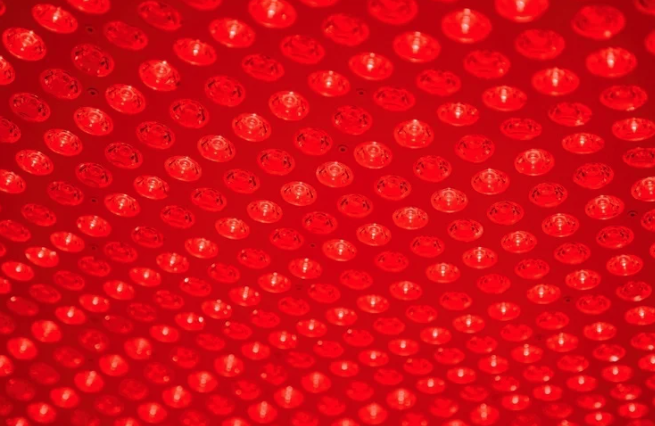
Red light therapy—also called photobiomodulation (PBM)—uses specific wavelengths of red light (around 630–660 nm) and near-infrared light (around 810–880 nm) to support healing and pain relief at the cellular level.
Unlike UV light, these wavelengths:
Do not damage skin
Do not cause burns
Penetrate deeply into muscles, joints, and connective tissue

How Red Light Therapy Works for Chronic Pain
Red light therapy targets several key drivers of chronic pain:
1. Reduces Inflammation
Chronic pain is often fueled by persistent inflammation. Red and near-infrared light can help regulate inflammatory signaling, supporting a healthier tissue environment.
2. Improves Cellular Energy (ATP)
Light stimulates mitochondria to produce more ATP—the energy your cells need for repair and recovery.
3. Enhances Blood Flow
Improved circulation helps deliver oxygen and nutrients while removing metabolic waste that contributes to soreness and stiffness.
4. Supports Nerve and Tissue Repair
Photobiomodulation has been studied for its role in tissue regeneration and nerve health, which is especially important for long-standing pain.
What Does the Science Say About Red Light Therapy for Pain?
Clinical research and medical reviews increasingly recognize red light therapy as a supportive, non-invasive option for chronic pain management.
Studies have explored its use for:
Arthritis and joint pain
Low back pain
Neck and shoulder pain
Tendon and ligament injuries
Muscle soreness and stiffness
Medical wellness providers and physical therapy clinics use red light therapy because it:
Does not rely on medications
Can be used repeatedly without tissue damage
Complements other pain-management strategies
Important medical note: Red light therapy is not a replacement for medical diagnosis or treatment. It is best used as part of a comprehensive pain-management plan.
Which Chronic Pain Conditions Respond Best?
Red light therapy is commonly used to support people with:
Arthritis and joint pain (knees, hips, shoulders, hands)
Chronic back or neck pain
Muscle pain and tightness
Tendon and soft-tissue injuries
Post-surgical pain and stiffness
Fibromyalgia-related discomfort
Results vary by individual, but many users report:
Reduced daily pain levels
Improved mobility
Faster recovery after activity
Less stiffness in the morning

Is Red Light Therapy Safe for Chronic Pain?
When used properly, red light therapy is considered very safe for most adults.
General Safety Profile
Non-invasive
No UV exposure
No known long-term tissue damage
Minimal side effects
Who Should Talk to a Healthcare Provider First
Pregnant individuals
People with light-sensitive conditions
Those taking photosensitizing medications
Individuals with active cancer
Why Device Quality Matters for Pain Relief
One of the most common reasons people say red light therapy “didn’t work” is insufficient power output.
Effective pain relief requires:
Correct therapeutic wavelengths
Adequate irradiance (power density)
Enough coverage area
Consistent use over time
Low-power gadgets often fail to deliver enough light to deeper tissues where chronic pain originates.
Why Red Light Therapy Panels Are Ideal for Chronic Pain
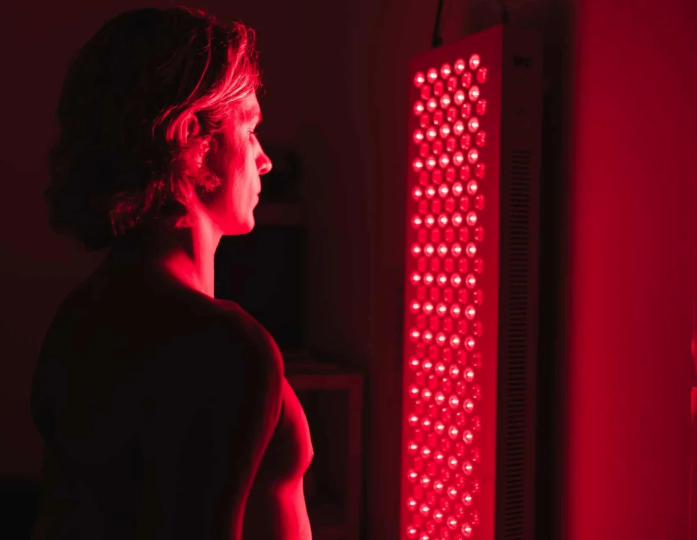
A high-quality red light therapy panel offers advantages that small handheld devices cannot:
✔ Full-body or large-area coverage
✔ Deeper penetration for joints and muscles
✔ Consistent therapeutic dosing
✔ Clinic-level performance at home
✔ Better long-term value
Panels are especially effective for people with multiple pain areas or full-body inflammation.
In-Clinic vs At-Home Red Light Therapy
In-Clinic Sessions
Best for:
First-time users
Targeted protocols
Professional guidance
At-Home Red Light Therapy Panels
Best for:
Daily convenience
Faster cumulative results
Long-term cost savings
Chronic pain that requires ongoing care
Many people start with clinic sessions, then transition to home panels for maintenance.
Ready to Explore a Drug-Free Pain Solution?
👉 Shop Our Clinical-Grade Red Light Therapy Panels
Designed for deep tissue, joint pain, and full-body recovery.
Frequently Asked Questions
Does red light therapy really help chronic pain?
Research and clinical use suggest it can support pain reduction, inflammation control, and tissue recovery when used correctly.
How long before I notice results?
Some people feel relief within weeks, while others see gradual improvements over 1–3 months.
Can red light therapy replace pain medication?
It may reduce reliance for some people, but always consult a healthcare provider before changing medications.
Scientific References:
1. Dierickx CC, Anderson RR. Visible light treatment of photoaging. Dermatol Ther. 2005;18:191-208.
2. Weiss RA, Weiss MA, Geronemus RG, et al. A novel non-thermal non-ablative full panel LED photomodulation device for reversal of photoaging: Digital microscopic and clinical results in various skin types. J Drugs Dermatol. 2004;3:605-610.
3. Weiss RA, McDaniel DH, Geronemus RG, et al. Clinical experience with light-emitting diode (LED) photomodulation. Dermatol Surg. 2005;31:1199-1205.
4. Weiss RA, McDaniel DH, Geronemus RG, et al. Clinical trial of a novel non-thermal LED array for reversal of photoaging: Clinical, histologic, and surface profilometric results. Lasers Surg Med. 2005;36:85-91.
5. Bhat J, Birch J, Whitehurst C, et al. A single-blinded randomised controlled study to determine the efficacy of Omnilux revive facial treatment in skin rejuvenation. Lasers Med Sci. 2005;20:6-10.
6. Russell BA, Kellett N, Reilly LR. A study to determine the efficacy of combination LED light therapy (633 nm and 830 nm) in facial skin rejuvenation. J Cosmet Laser Ther. 2005;7:196-200.
7. Barolet D, Roberge CJ, Auger FA, et al. Regulation of skin collagen metabolism in vitro using a pulsed 660 nm LED light source: Clinical correlation with a single-blinded study. J Invest Dermatol. 2009;129:
2751-2759.
8. Abergel RP, Lyons RF, Castel JC, et al. Biostimulation of wound healing by lasers: Experimental approaches in animal models and in fibroblast cultures. J Dermatol Surg Oncol. 1987;13:127-133.
9. Yu W, Naim JO, Lanzafame RJ. The effect of laser irradiation on the release of bFGF from 3T3 fibroblasts. Photochem Photobiol. 1994;59:167-170.
10. Schindl A, Heinze G, Schindl M, et al. Systemic effects of low-intensity laser irradiation on skin microcirculation in patients with diabetic microangiopathy. Microvasc Res. 2002;64:240-246.
11. Ben-Dov N, Shefer G, Irintchev A, et al. Low-energy laser irradiation affects satellite cell proliferation and differentiation in vitro. Biochim Biophys Acta. 1999;1448:372-380.
12. Kucuk BB, oral K, Selcuk NA, et al. The anti-inflammatory effect of low-level laser therapy on experimentally induced inflammation of rabbit temporomandibular joint retrodiscal tissues. J Orofac Pain. 2010;24:293-297.
13. Geronemus RG, Weiss RA, Weiss MA, et al. Non-ablative LED photomodulation light activated fibroblast stimulation clinical trial. Lasers Surg Med. 2003;25:22.
14. McDaniel DH, Newman J, Geronemus R, et al. Non-ablative nonthermal LED photomodulation—A multicenter clinical photoaging trial. Lasers Surg Med. 2003;15:22.
15. Weiss RA, McDaniel DH, Geronemus R, et al. Non-ablative, nonthermal light emitting diode (LED) phototherapy of photoaged skin. Lasers Surg Med. 2004;16:31.
16. Lee SY, You CE, Park MY. Blue and red light combination LED phototherapy for acne vulgaris in patients with skin phototype IV. Lasers Surg Med. 2007;39:180-188.
17. Aziz-Jalali MH, Tabaie SM, Djavid GE. Comparison of red and infrared low-level laser therapy in the treatment of acne vulgaris. Indian J Dermatol. 2012;57:128-130.
18. Rotunda AM, Bhupathy AR, Rohrer TE. The new age of acne therapy: Light, lasers, and radiofrequency. J Cosmet Laser Ther. 2004;6:191-200.
19. Cunliffe WJ, Goulden V. Phototherapy and acne vulgaris. Br J Dermatol. 2000;142:855-856.
Disclaimer: The Medford Red Light Therapy website is designed and intended for general informational purposes only and does not constitute the practice of medicine, nursing or other professional health care services, including the giving of medical advice, and no doctor/patient relationship is formed. The use of information on this website is at the user’s own risk. Results may vary by individual. The content of this website is not intended to be a substitute for professional medical advice, diagnosis, or treatment. Users should not disregard or delay in obtaining medical advice for any medical condition they may have and should seek the assistance of their health care professionals for any such conditions.
